NYMPHAEA
EN
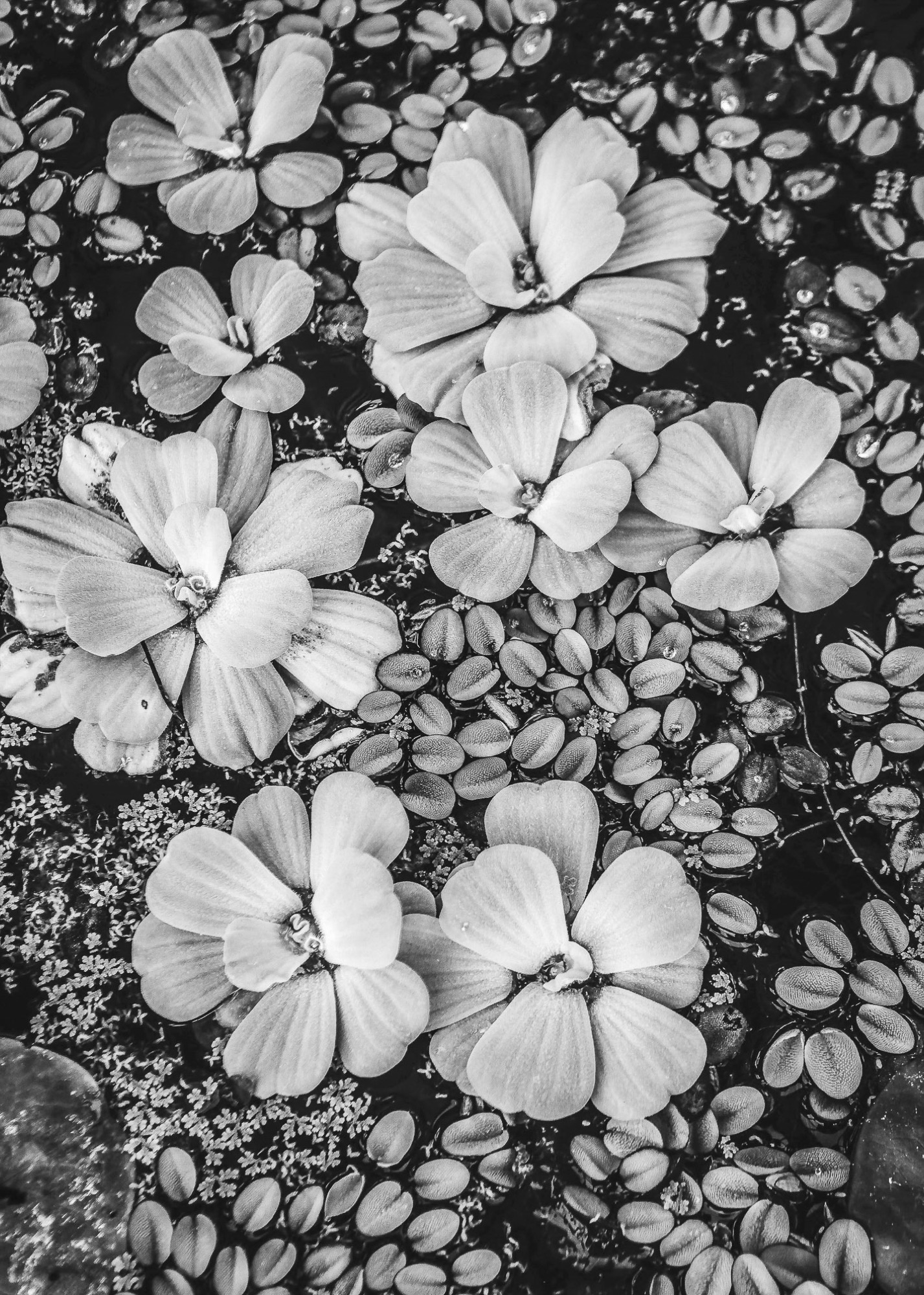
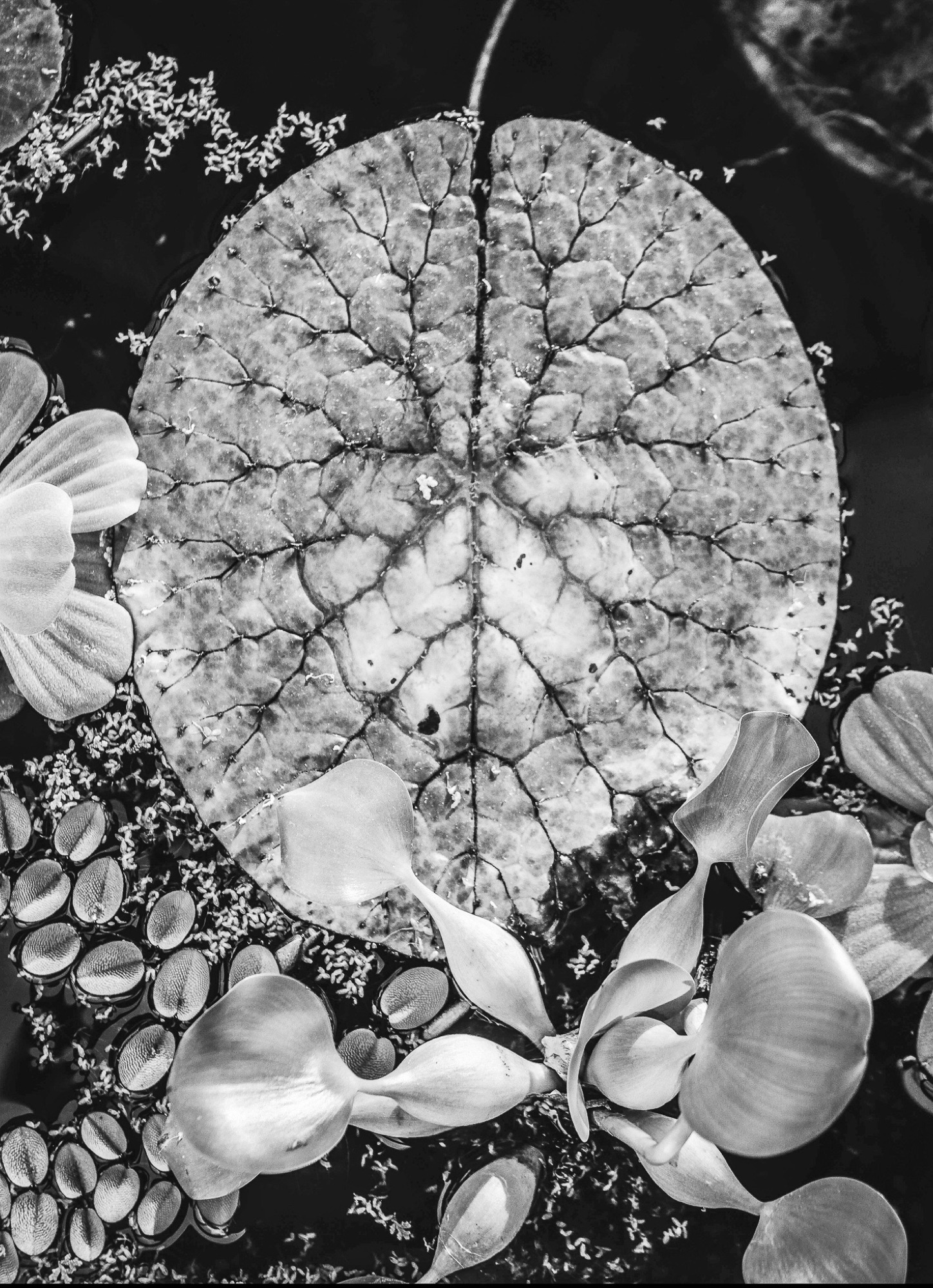
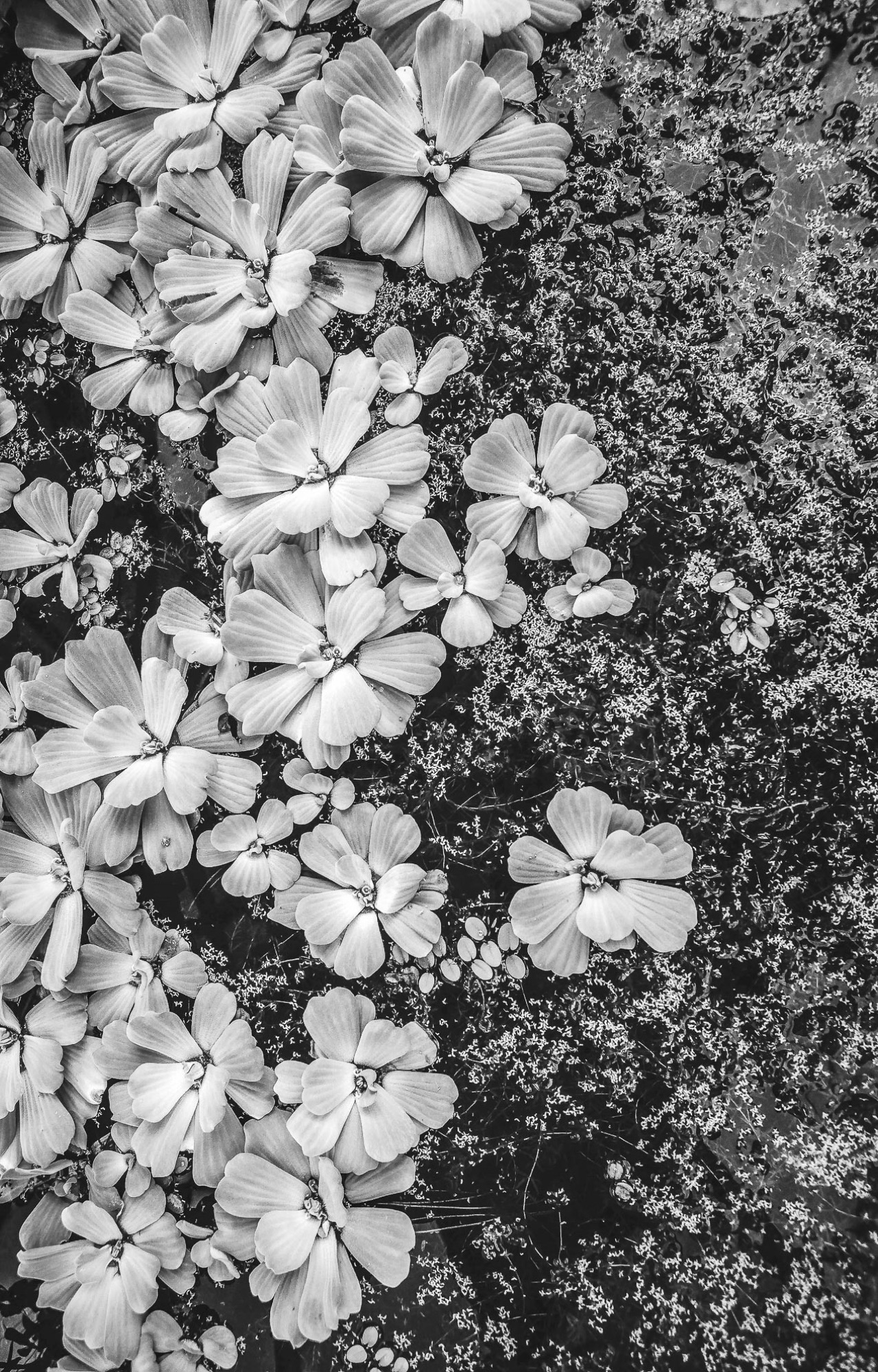
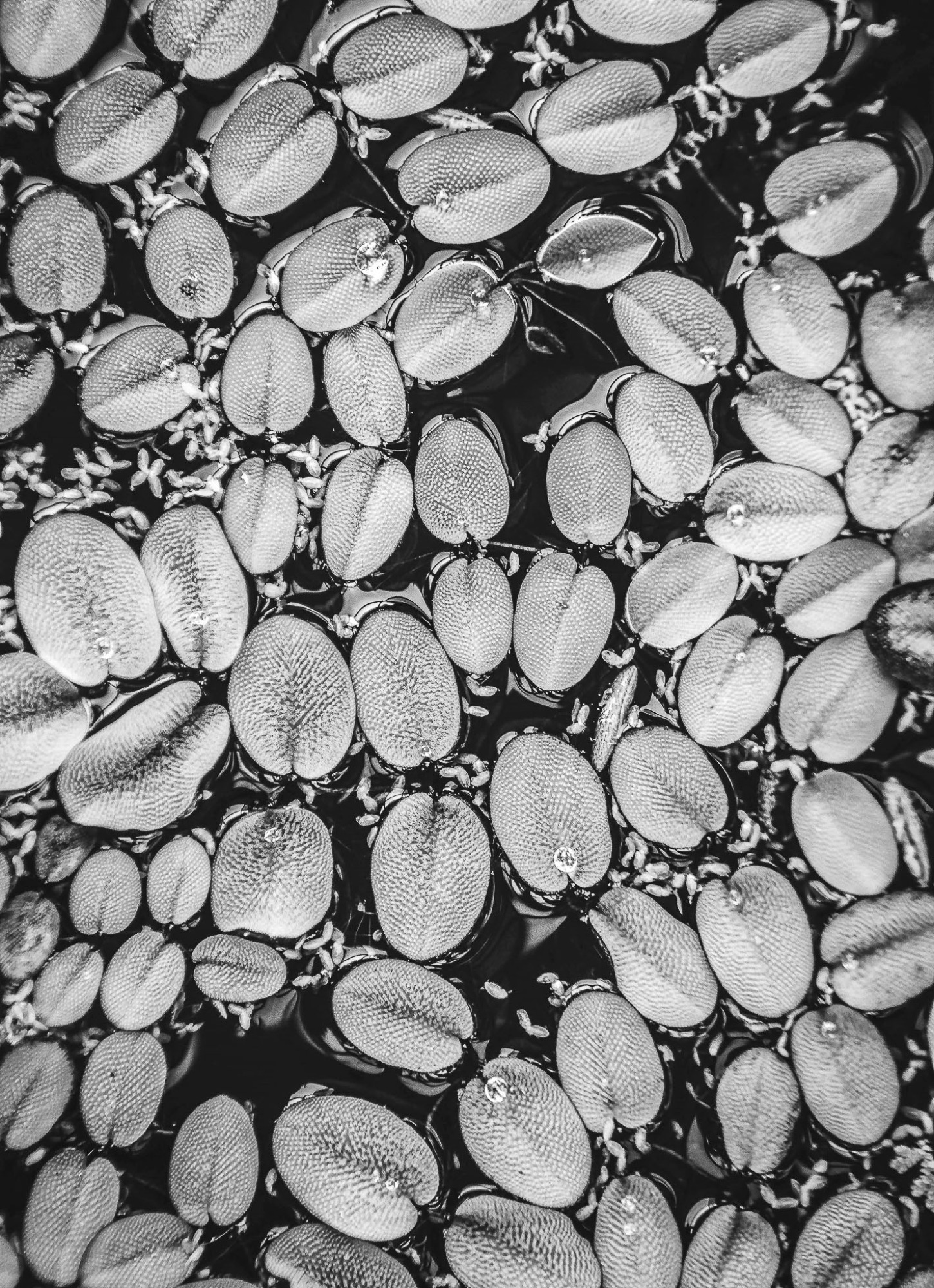
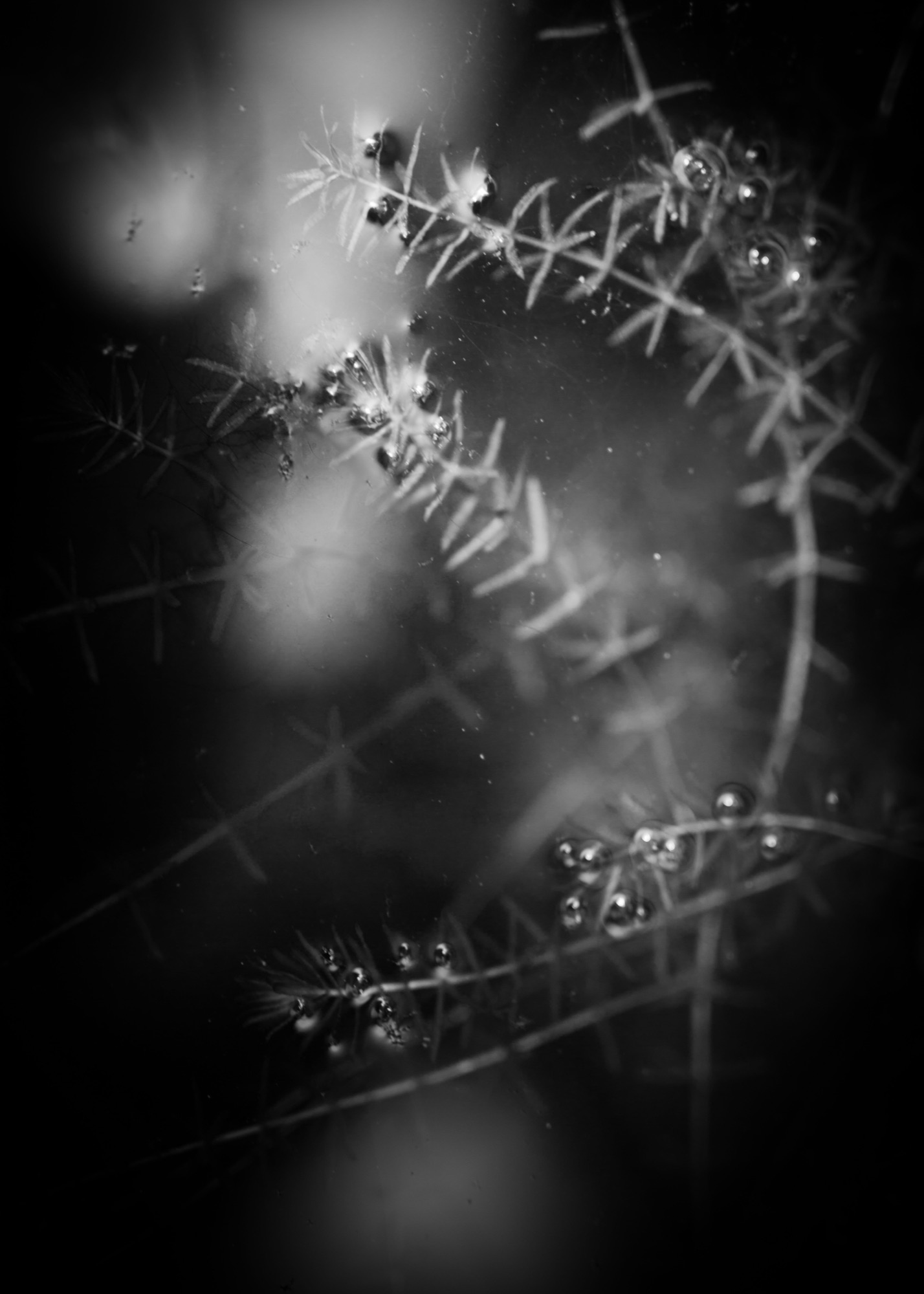
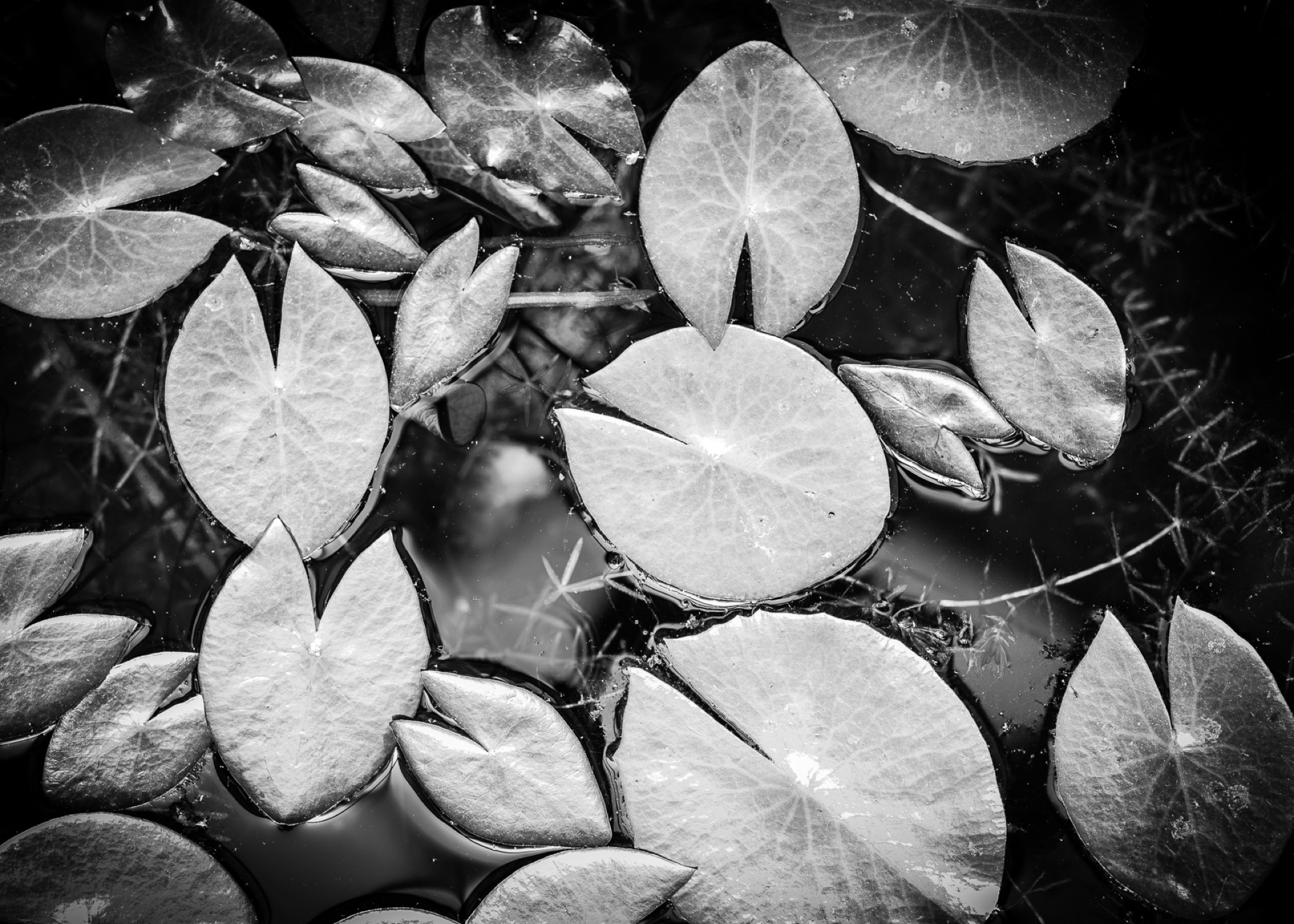
With the exhibition “Nymphaea”, artist Ana Šesto presents a series of photographs whose motifs, as the title itself suggests, are water lilies. The photographs, taken using digital techniques, are devoid of color and rendered in black and white. Explaining her inspiration drawn from their beauty, the artist, through this technical choice, clearly expresses her fascination with the aesthetic value of the flowers and leaves of the water lily. Moving away from a naturalistic documentation of this freshwater plant, the ornamental qualities of the forms and textures of the flowers and leaves are brought to the forefront.
Skillfully manipulating composition and the contrast between light and dark tones, the artist equally succeeds in evoking the roughness of the fleshy leaf and the delicacy of velvety petals, recalling the still lifes of Dutch painters of the 16th and 17th centuries. A meticulous and precise, almost microscopic approach to the subject allows the artist to play with the tactile impression of these photographs. Whether focusing on a single leaf or flower, or exploring their broader structure and interweaving as they float on water, the artist captures the viewer’s attention with equal intensity. Moreover, the photographs cannot be perceived at a glance—individual compositions require a careful and concentrated gaze in order to grasp the complex interplay of forms and textures.
As the eye moves from one form to another, gliding along smooth petals or penetrating clusters of rough, overlapping leaves, the viewer’s mind, in a nearly meditative state, analyzes individual elements of the composition and their relationships. In this process, the fragile beauty of the water lily’s petals is revealed, as well as the strength and resilience of a plant whose roots reach deep into the murky bottom, rising above the water’s surface where it slowly opens its flowers with the first rays of the sun, only to close them again at sunset.
As such, the water lily symbolizes fertility and rebirth. Although the artist’s intention was to convey her aesthetic experience of the water lily, the photographs are not devoid of a deeper message. In this context, it is important to emphasize the role of black-and-white technique, through which the water lilies, in their serene stillness, are preserved for eternity. The thought of the transience and ephemerality of life naturally arises, allowing the photographs to be seen as a kind of memento mori, also a common motif in Dutch still life painting. In the context of the time we live in—marked by the negative consequences of climate change reflected in disrupted ecosystems, as well as increasingly frequent droughts and fires—Ana Šesto’s photographs, beyond conveying the beauty of this fascinating plant, invite us to reflect on both the vulnerability and the strength of nature.
HR
Izložbom „Nymphaea” umjetnica Ana Šesto predstavlja ciklus fotografija čiji su motivi, kako i sam naslov sugerira, lopoči. Fotografije snimljene digitalnom tehnikom lišene su boje i prikazane u crno-bijeloj izvedbi. Objašnjavajući inspiraciju njihovom ljepotom, umjetnica ovim tehničkim izborom jasno izražava fascinaciju estetskom vrijednošću cvjetova i listova lopoča. Odmakom od naturalističkog dokumentiranja ove slatkovodne biljke u prvi plan dolaze ornamentalne kvalitete oblika i tekstura cvjetova i listova.
Vješto oblikujući kompoziciju i kontrast svijetlih i tamnih tonova, umjetnica jednako uspješno dočarava hrapavost mesnatog lista i nježnost baršunastih latica, podsjećajući na mrtve prirode nizozemskih slikara 16. i 17. stoljeća. Pomno i precizno, gotovo mikroskopsko promatranje motiva omogućuje joj igru taktilnim dojmom fotografija. Bilo da se usredotočuje na pojedinačan list ili cvijet, bilo da istražuje njihovu širu strukturu i isprepletenost dok lebde na vodi, umjetnica jednakim intenzitetom zaokuplja pažnju promatrača. Uostalom, fotografije se ne mogu percipirati na prvi pogled – pojedine kompozicije traže pažljiv i koncentriran pogled kako bi se shvatila složena igra oblika i tekstura.
Dok oko putuje od jednog oblika do drugog, klizeći glatkim laticama ili prodirući u skupine hrapavih, nadvijenih listova, promatračev um, gotovo u meditativnom stanju, analizira pojedine elemente kompozicije i njihove odnose. U tom se procesu otkriva krhka ljepota latica lopoča, ali i snaga i otpornost biljke čiji korijen seže duboko u mutno dno, a izdiže se iznad površine vode gdje prvim zrakama sunca polako otvara cvjetove, da bi ih pri zalasku ponovno zatvorila.
Lopoč tako simbolizira plodnost i ponovno rođenje. Iako je namjera umjetnice bila prenijeti vlastiti estetski doživljaj lopoča, fotografije nisu lišene dublje poruke. U tom je kontekstu važno istaknuti ulogu crno-bijele tehnike kojom su lopoči u svojem spokojnom mirovanju sačuvani za vječnost. Prirodno se javlja misao o prolaznosti i ništavnosti života, pa se fotografije mogu promatrati i kao svojevrsni memento mori, također čest motiv nizozemskog mrtvog života. U kontekstu vremena u kojem živimo – obilježenog negativnim posljedicama klimatskih promjena koje se očituju u narušenim ekosustavima te sve češćim sušama i požarima – fotografije Ane Šesto, osim što prenose ljepotu ove fascinantne biljke, pozivaju nas na promišljanje o ranjivosti i snazi prirode.